Campaign


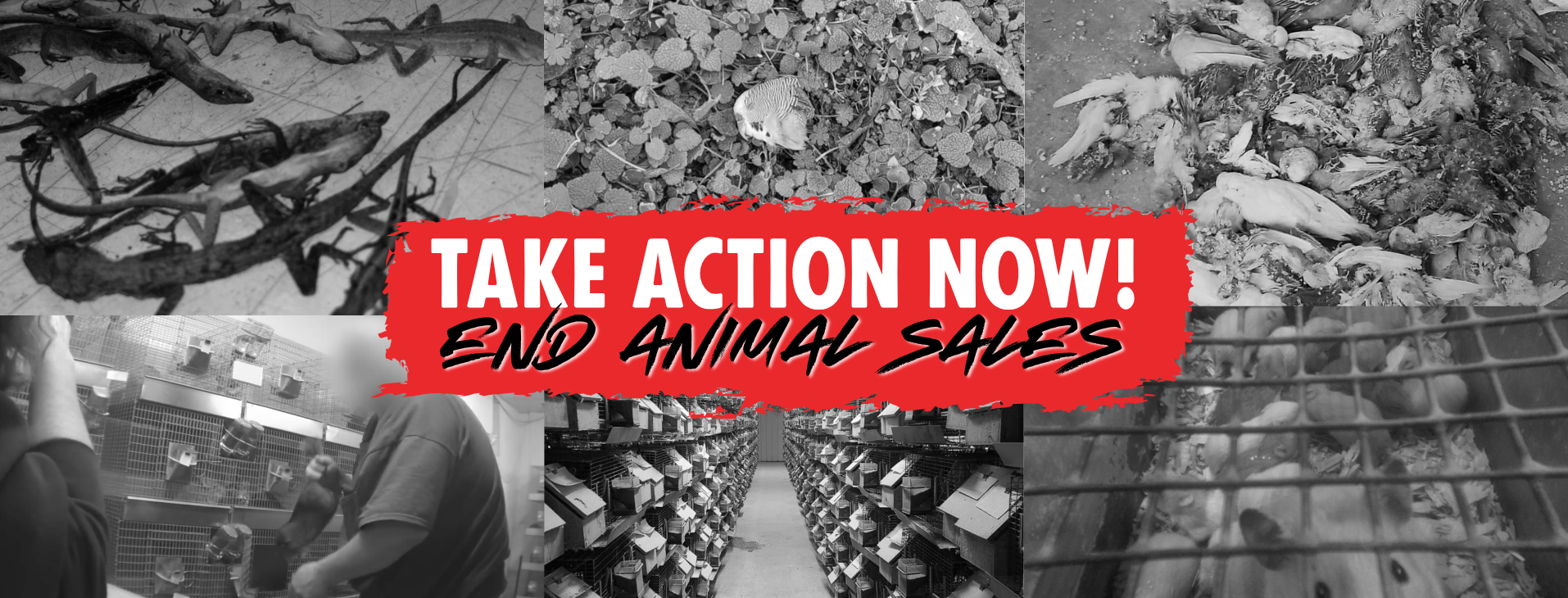
Animals sold in stores come from cruel breeding mills. Many die before they even reach pet stores. Meanwhile, rescues are overwhelmed with animals who desperately need homes. Help save lives and end pet industry animal cruelty.
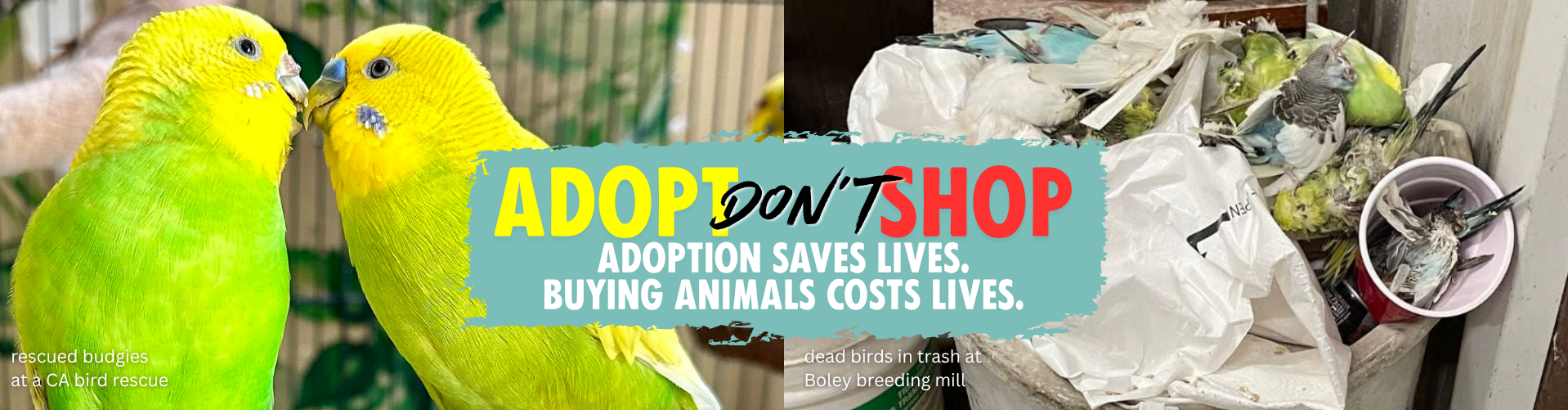
Animals sold in pet stores are sourced from horribly cruel breeding mills or are stolen from their natural habitats to be sold as "pets". In fact, the US imports 27 million wild-caught animals annually just for the pet industry. For example, all hermit crabs, and virtually all Tokay geckos and marine fish are wild-caught. This is cruel to wildlife and devastates ecosystems.
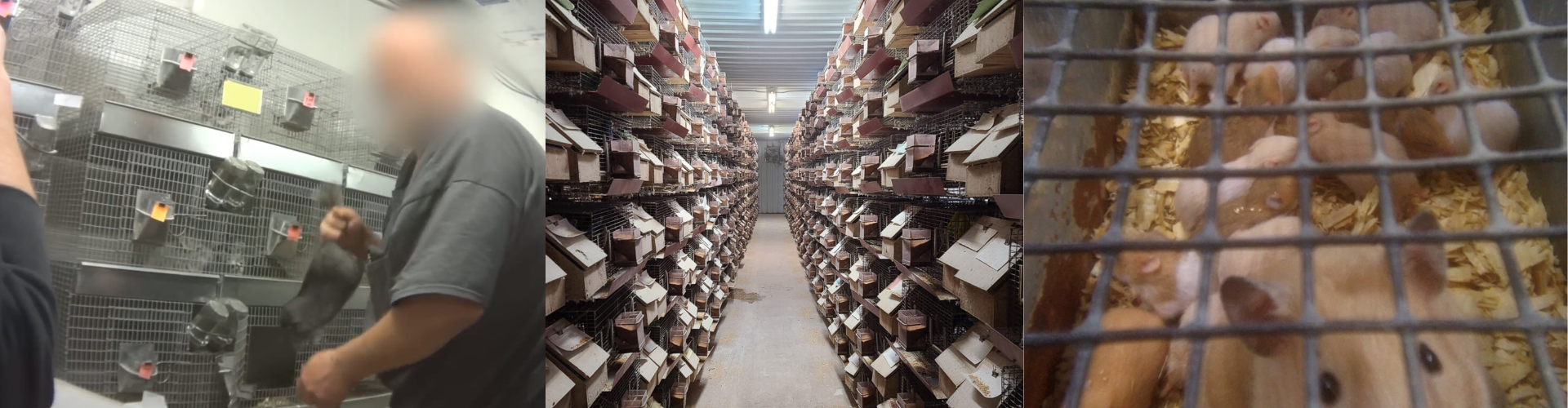
These animals have almost no legal protections. Reptiles, amphibians, and fishes aren’t even included in the Animal Welfare Act. They are extremely vulnerable to exploitation and abuse. It’s estimated that the vast majority of animals in the pet indusrty die in breeding mills and during shipping before they even make it to the store shelf. To breeders and pet stores the animals are nothing more than merchandise to exploit for profit.
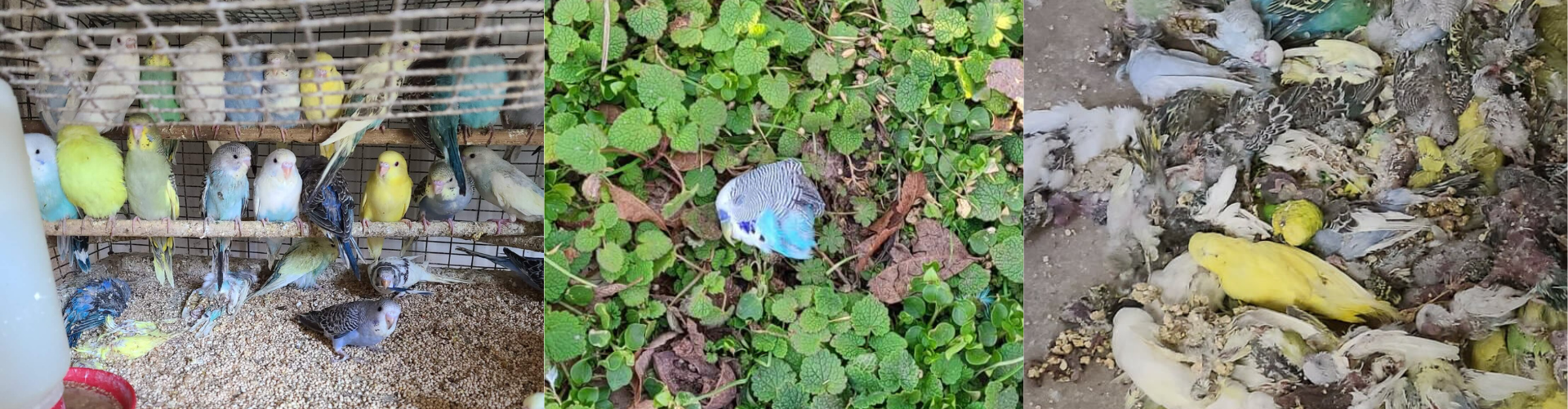
Most “exotic pets” are wildlife and they languish in captivity, unable to express their natural behaviors and instincts. Additionally, pet stores sell animals to anyone, with no vetting process to ensure appropriate, life-long care for the individual animal. This contributes to the horrifying reality that 75% of “exotic pets” die within the first year after being purchased. Many others end up abandoned outside in ecosystems they're not native to or dumped at already overwhelmed rescues and shelters.
The good news is, we can change this! We can adopt animals from rescues instead of buying them from stores or breeders; pet stores can thrive by selling supplies, offering services, and hosting adoption events with local shelters; and cities can protect animals by introducing retail animal sales bans.
More and more cities are passing retail animal sales bans that protect all animals in the pet industry, not just cats and dogs.
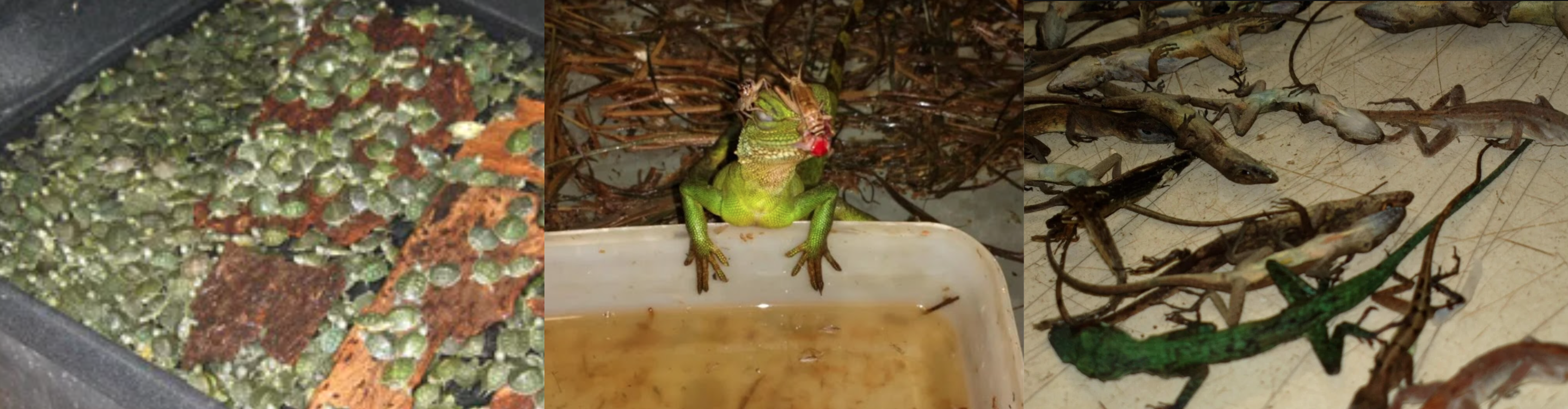
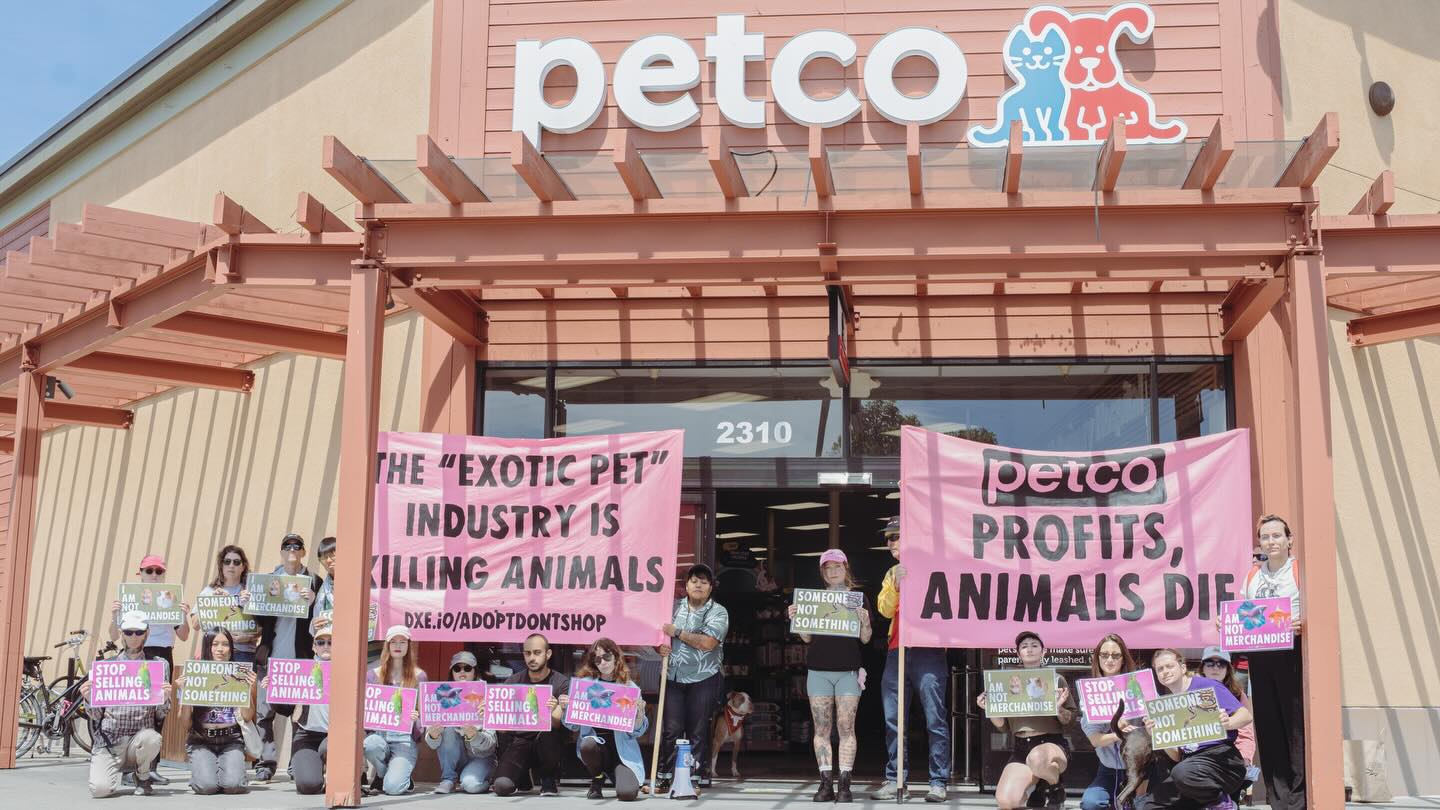
In the San Francisco Bay Area, animal rescuers and activists with DxE are working hard to denormalize the commodification of animals and get retail animal sales bans introduced. Our efforts are making a difference!
Ask them to support the retail animal sales ban recommended by the SF Animal Advisory Council. Consider including your address in your email so Supervisors can verify that you're a constituient. No an SF resident? You can still sign up to support the campaign.
Questions? Contact Kitty@dxe.io
Link to this page: dxe.io/adoptdontshop
Be part of DxE’s growing community of animal rights activists and stay up-to-date on news, events, and action alerts!

