

The Press Won't Link California's Elephant Seal Deaths to Factory Farms
The elephant seals at Año Nuevo are dying because they share beaches with infected seabirds — infected because H5N1 has become endemic in wild bird populations worldwide, a spread driven in significant part by the concentration and global trade of farmed poultry.
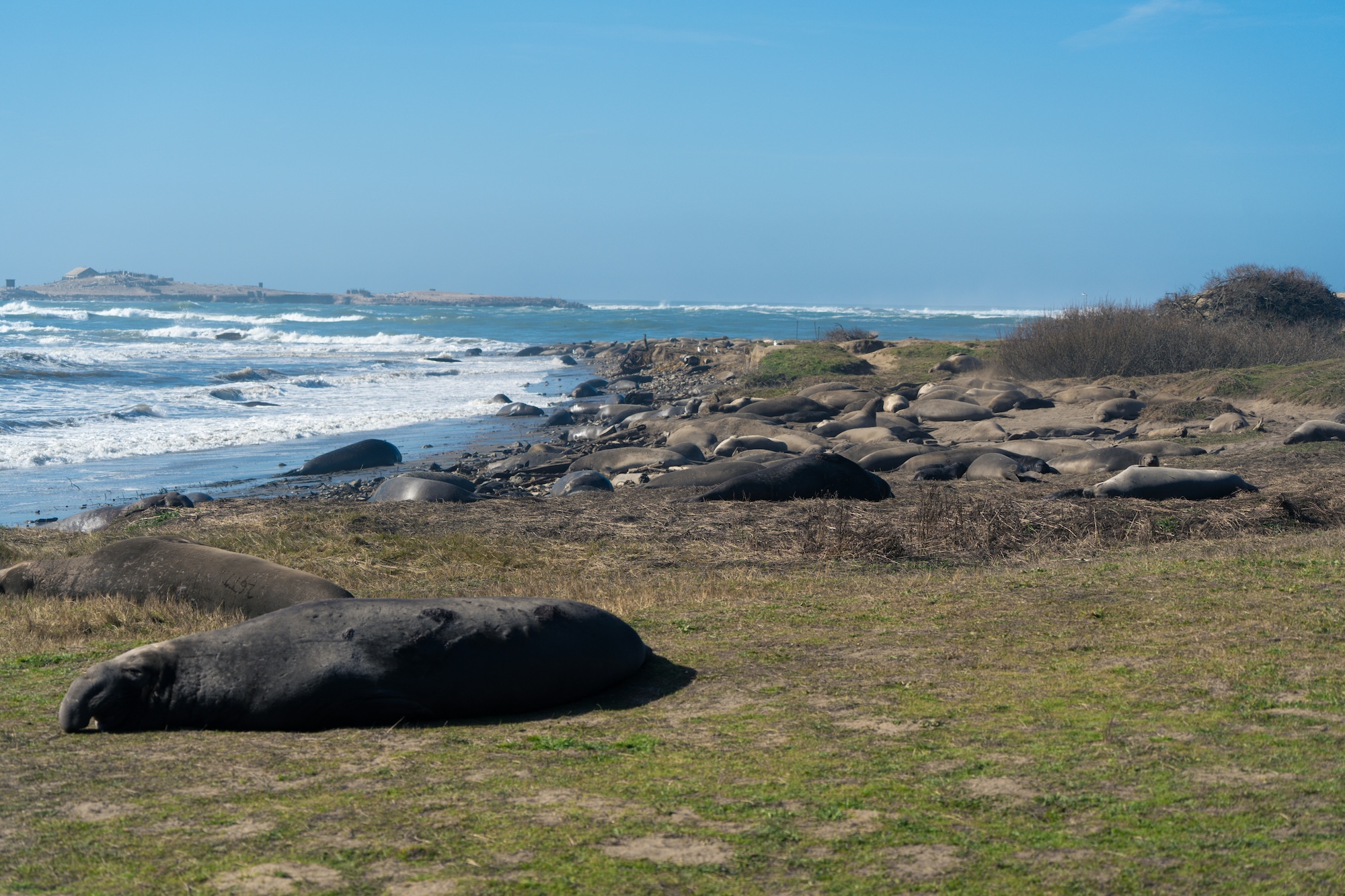
The first cases of H5N1 bird flu among California’s elephant seals have appeared in dozens of headlines this year. The disease was identified in a colony of elephant seals at Año Nuevo State Park — just fifty miles south of San Francisco. Avian flu is a genuine threat to seals and other wildlife, but articles leave out the primary culprit: factory farming.
A New York Times piece on the outbreak only mentions infections among dairy cattle and farmed poultry briefly. These stories fail to report how H5N1 has been spreading, mutating, and adapting inside concentrated animal feeding operations for years. A 2024 review of 127 studies found that intensive farming "facilitates the emergence and spread" of avian influenza viruses with pandemic potential.
The elephant seals at Año Nuevo are dying because they share beaches with infected seabirds — infected because H5N1 has become endemic in wild bird populations worldwide, a spread driven in significant part by the concentration and global trade of farmed poultry. The virus causing tremors and seizures in these animals is not a random occurrence — it was amplified within large-scale farming operations.
H5N1 viruses have been reported inside more than 700 of California's dairies since outbreaks began in 2023. According to FactoryFarmWatch.org, which pools investigations and government data, my home state of California has at least 1,178 active dairy operations, and 919 of them are large enough to be considered factory farms — some in Tulare County confining upwards of 15,000 milking-age cows.
State taxpayers have already sent over $231 million in emergency relief to these dairies. The industry that is incubating and amplifying this virus is being subsidized to continue operating. Elephant seals, other wildlife, dozens of dairy workers, and hundreds of millions of farmed animals are the ones paying the price.
Since H5N1 was detected in cattle, every subsequent outbreak in U.S. poultry has been caused by spillovers from the infected cows. The virus is now cycling between dairy and poultry operations — each transmission another opportunity to adapt.
The New York Times closes its article with a quote from a researcher who has spent her career at Año Nuevo: "We spend our entire lives trying to get to know these animals. That makes it especially difficult to watch animals that we followed for […] many generations become sick and die."
It's a moving statement, but compare these “generations” of seals to the 150 million birds killed since 2022 when H5N1 was first detected in America’s poultry farms. These mass cullings — carried out by suffocating birds with methods such as ventilation shutdown or foam — represent an industrial-scale death toll that receives almost no public attention relative to the infections in a dozen seal pups on a California beach.
I understand why the seals move us. They have names, researchers who have followed them for years, and tourists who visit them every winter. This country kills more land animals for food in a single day than there are elephant seals on earth. The difference in how we register their deaths tells us something important about whose lives we choose to value, and which systems we decide not to examine.
Go to FactoryFarmWatch.org to track the millions in USDA avian flu indemnity payments awarded to hundreds of California dairy operations.

